The Story
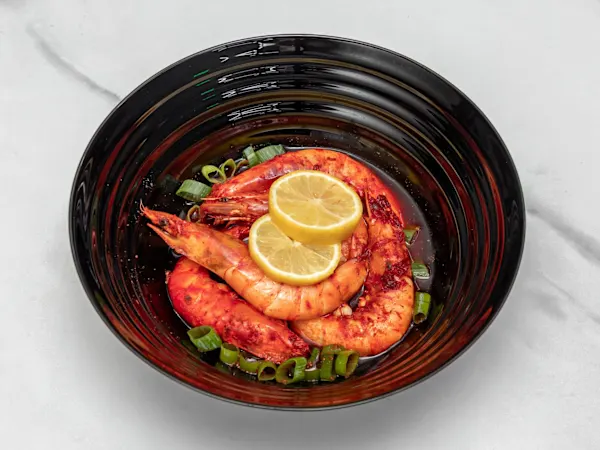
Pepper prawns — known widely as "pepper shrimp" across the English-speaking Caribbean — are one of the region's most celebrated street foods, and their spiritual home is the small village of Middle Quarters in St. Elizabeth Parish, Jamaica, situated at the edge of the Black River Lower Morass: one of the largest freshwater wetland systems in the Caribbean. It is from this river system that the small freshwater shrimp were traditionally harvested by local fisherfolk for generations. The dish is elemental in its construction — shrimp cooked shell-on in salted water loaded with crushed scotch bonnet peppers, garlic, and a splash of vinegar — resulting in bright red, intensely spiced crustaceans that crackle with heat. The simplicity is deliberate: this evolved as a street food meant to be cooked fast over an open fire and sold to passing travellers from the roadside.
The roadside culture of pepper shrimp in Middle Quarters is itself a significant piece of Jamaican social history. For generations, women known as "higglers" — a term for female market traders with deep roots in Jamaican economic life — have lined the roadside with Dutch pots boiling over open grills, waving bags of bright red shrimp at passing motorists. The higgler tradition in Jamaica dates back to the period of slavery, when enslaved women were permitted to sell surplus produce at Sunday markets, and evolved over centuries into a foundational aspect of Jamaican informal commerce. The pepper shrimp vendors of Middle Quarters are a living continuation of that tradition, and the village has become famous island-wide and among the Jamaican diaspora as a culinary landmark.
While Middle Quarters is the spiritual home, variations of pepper prawns appear across the Caribbean — from Trinidad to Barbados to Guyana — each adapted to local shellfish and coastal cooking traditions. The philosophy is consistent: bold heat from fresh scotch bonnet or wiri wiri peppers, garlic, and simple seasoning applied to shell-on shellfish, which retain moisture and flavour far better than peeled prawns under high heat. Eating them shell and all — or peeling at the table — is part of the communal, tactile pleasure of the dish. Pepper prawns embody a Caribbean philosophy of cooking: use what the local waters provide, honour the pepper's fire, and eat with your hands.