The Story
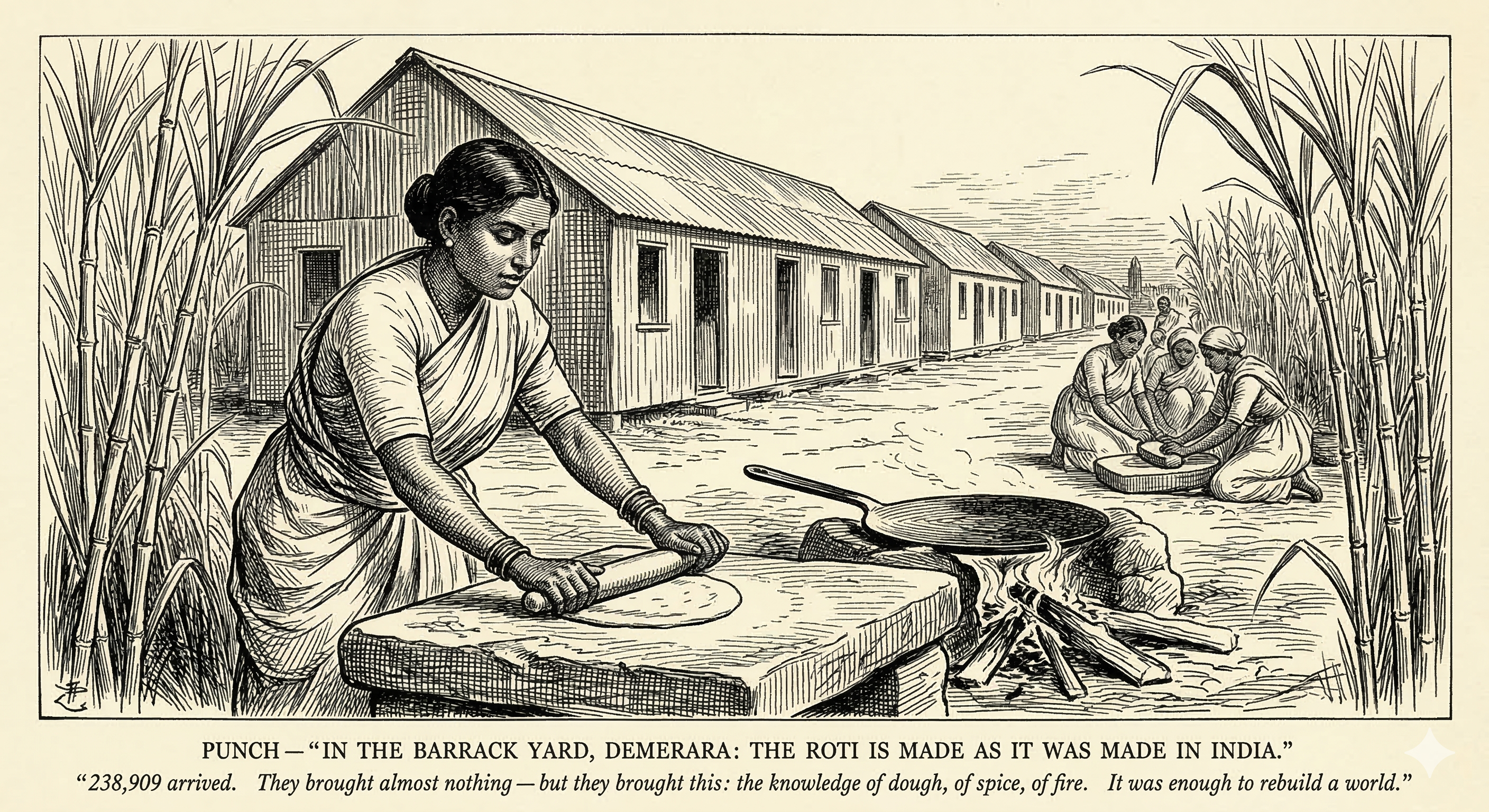
The story of Guyanese chow mein begins with one of the lesser-known chapters of the British Empire's labour history: the indenture of Chinese workers in the Caribbean. Following the abolition of slavery in British Guiana in 1834 and the end of the "apprenticeship" period in 1838, the colonial sugar industry faced a severe labour shortage. The British turned to China, and between 1853 and 1879, a total of 13,541 Chinese labourers arrived in British Guiana on 39 vessels departing from Hong Kong. The first three ships — the Glentanner, the Lord Elgin, and the Samuel Boddington, all arriving in January and March 1853 — docked in Georgetown carrying the first 647 men. The majority were Hakka-speaking, from southern China, arriving under contracts that bound them to plantation labour under conditions historians have described as barely distinguishable from the slavery they were meant to replace.
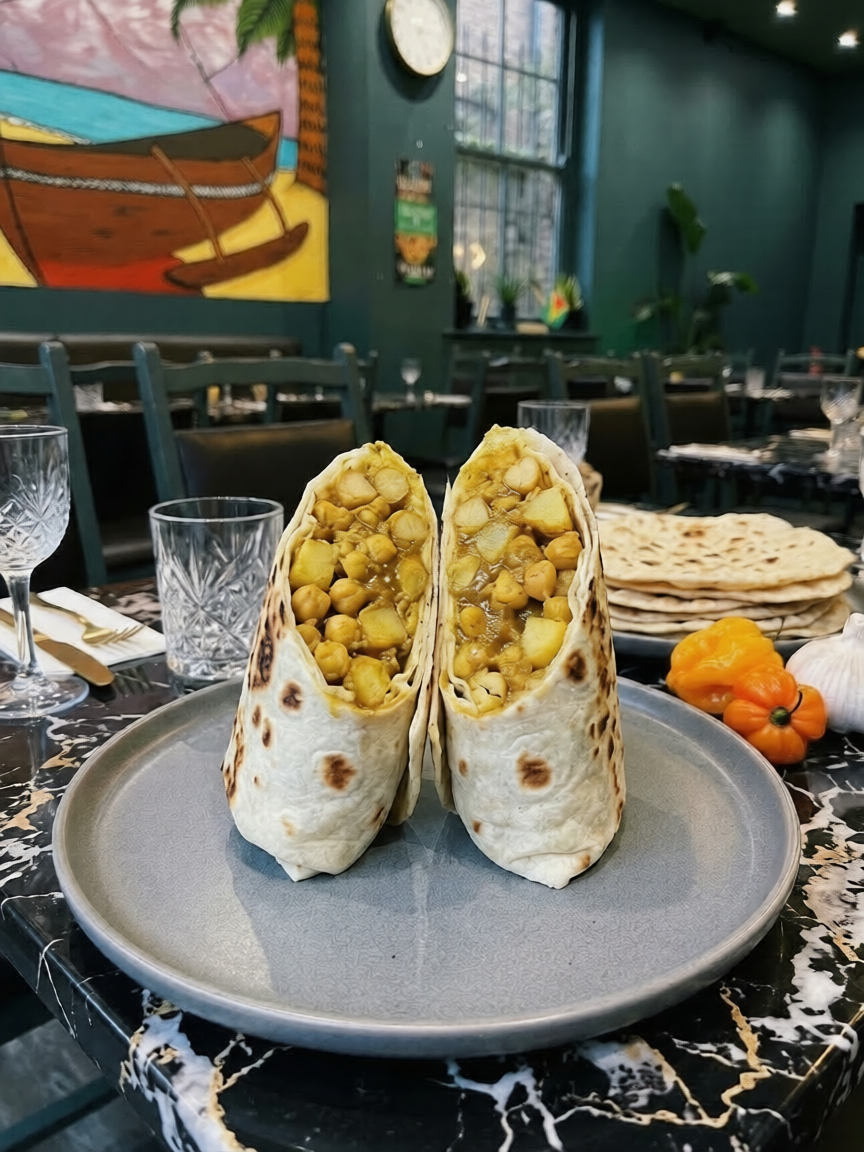
Most Chinese indentured workers did not remain in plantation agriculture after their contracts expired. They moved to Georgetown and other towns, establishing themselves as shopkeepers, traders, and restaurateurs — a pattern repeated across the British Caribbean wherever Chinese communities settled. It was in this commercial and domestic setting that Southern Chinese noodle dishes, including chow mein, became embedded in Guyanese life. Over generations, Guyanese cooks began incorporating local ingredients: West Indian curry powder, five spice, bora beans (the long beans common in Guyanese cooking), and the flavours of a country shaped by six distinct ethnic communities. The result is a dish that carries the structural DNA of Chinese stir-fried noodles but smells and tastes unmistakably Guyanese.
What makes GT Chowmein — Georgetown's version — culturally extraordinary is precisely this layering: Chinese technique, Indian-inflected curry powder, African-Caribbean seasoning, all in a single wok. Food writers have drawn parallels between Guyanese chow mein and Singapore noodles — another fusion dish born from Chinese diaspora cooking in a British colony — and the similarity is not coincidental. It reflects a global pattern: Chinese migrant communities adapting their food to the ingredients available in their adopted lands. Today, chow mein is eaten across all of Guyana's ethnic communities, equally at home at a Hindu wedding, an Afro-Guyanese Sunday lunch, or a Chinese New Year celebration. GT stands for Georgetown — and this dish carries the whole city in every bowl.